This exhibition of sculpture, photography, drawing and installation takes a speculative look at how several up-and-coming artists recycle the disposable aspects of contemporary culture. This younger generation makes new use of the residual value from discarded art practices of preceding generations, from the transient pleasures of popular genres, and from the mundane objects and events of everyday life. Waste Management presents both Canadian and international artists, including Tom Friedman, Germaine Koh, Daniel Olson, Sandra Rechico, Joseph Scanlan, David Shrigley and Kelly Wood.
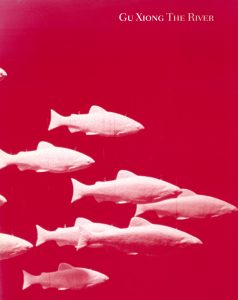
Gu Xiong’s installation “The River” is described by John O’Brian as a meditation on migrancy and displacement. The author situates the work within the life of the artist, who left China because of political oppression, and the history of the Canadian West, which has marginalized its Chinese inhabitants. Short poetic texts by Gu Xiong in which he identifies with spawning salmon are included.
When it comes to distributing scientific knowledge, photography and the museum share a number of characteristics. One like the other operate by selection, fragmenting the real. They proceed by composition, regrouping, in printed albums or in the confined space of a shop window, room or building, the fragments they produce. Both are mediators of something that contains, metaphorically or literally, and which is made present to the spectator even if he is distant, in time or space, or even if it is an entity that is only thought of and takes care of physical realization is established in the process of mediation.
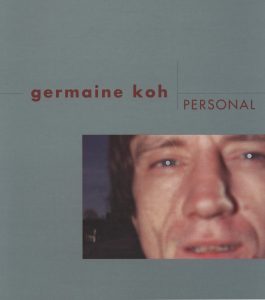
Although this catalogue is produced on the occasion of Germain Koh’s exhibition Personal, its scope exceeds that of the show and provides a context for the ephemeral projects in relation to the artist’s larger practice. Jan Allen’s essay identifies threads of continuity in Koh’s work and examines the ways in which these projects reflect and comment on social change. The artist’s recent work flags a shifting relationship between individuals, and between individuals and society as a whole, changes that are rarely observed because they happen incrementally.
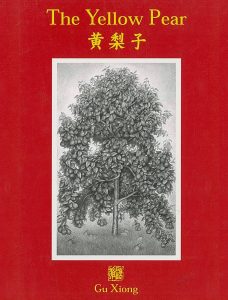
Gu Xiong came to Canada from China to find freedom and a new life, but with it came the uneasy feeling of being a stranger in a strange land, with customs, attitudes, and ways of living far different from what he and his family had known in China. The Yellow Pear is a collection of deeply personal narratives (appearing in both English and Chinese) and illustrations about life in his adopted country, a life which resonates with the past he left behind. In these disarmingly simple words and images, which connect community to personal identity, Gu seeks to find his own place in the world.